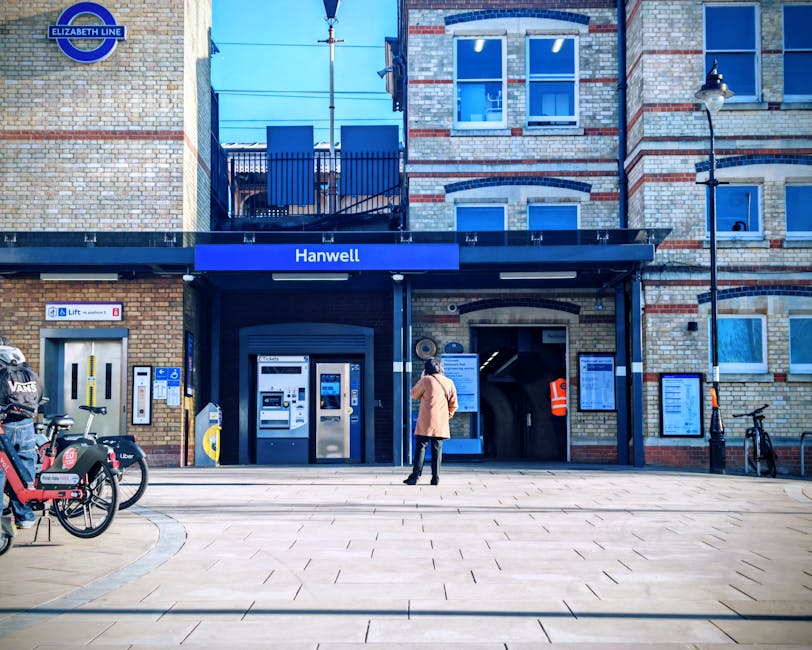
Harrow Station moving day logistics for removals teams
Moving day near Harrow Station can feel like a very small window of time packed with a very large amount of stress. Trains are coming and going, pavements are busy, neighbours are trying to get on with their day, and a removals team has to keep furniture, boxes, van access, building rules, and timing all in sync. That is exactly why Harrow Station moving day logistics for removals teams deserves proper planning rather than a last-minute scramble.
This guide breaks the process down in plain English. You will see how station-side access changes the job, why preparation matters, what good removals teams do differently, and where small decisions can save a lot of time. If you are moving home, supporting a client move, or coordinating a crew in a busy London setting, the detail here should help. Truth be told, the smoothest moving days often look boring from the outside. That is the point.
For readers who want to understand the wider service standards and customer support side of a local provider, you can also review the company's about us page and the practical detail in the health and safety policy. Those pages help set expectations before the first box is lifted.
Table of Contents
- Why Harrow Station moving day logistics for removals teams Matters
- How Harrow Station moving day logistics for removals teams Works
- Key Benefits and Practical Advantages
- Who This Is For and When It Makes Sense
- Step-by-Step Guidance
- Expert Tips for Better Results
- Common Mistakes to Avoid
- Tools, Resources and Recommendations
- Law, Compliance, Standards, or Best Practice
- Options, Methods, or Comparison Table
- Case Study or Real-World Example
- Practical Checklist
- Conclusion
- Frequently Asked Questions
Why Harrow Station moving day logistics for removals teams Matters
Moving around a station area is not like moving from a quiet cul-de-sac. Harrow Station brings together foot traffic, taxis, short-stay parking, delivery vehicles, rail users, and the usual London pressure of "just one more thing" at exactly the wrong time. A removals team that understands this environment can avoid wasted minutes, awkward blocked access, and the kind of rush that leads to damaged items or frustrated neighbours.
The logistics matter because the moving day itself is only one piece of the puzzle. The real work starts before the van arrives. Teams need to think about loading routes, where the vehicle can stop safely, whether lifts or stairs will be used, how long each item takes to move, and what happens if access is tighter than expected. If the property is close to Harrow Station, even a minor delay can cascade. A five-minute hold-up at the kerb can become a fifteen-minute reset upstairs, and then the whole schedule starts to wobble.
That is also why good planning builds trust. Clients feel calmer when they can see a crew has thought through the details. Removals teams feel calmer too, which is no small thing. A calm crew makes better decisions. A rushed crew, well, let's just say they are usually the ones who end up circling the block muttering about parking.
Expert summary: around Harrow Station, moving day success depends less on speed alone and more on access control, timing discipline, and clear communication. The best teams plan the route, the load order, and the handover points before anything touches the van.
How Harrow Station moving day logistics for removals teams Works
In practice, Harrow Station moving day logistics for removals teams is a coordination exercise. The removals crew, the property owner or tenant, the building manager if there is one, and sometimes the storage provider all need to work from the same basic plan. You are trying to make sure the correct items leave the right address, at the right time, in the safest order, without clashing with local traffic patterns or property restrictions.
The process usually starts with a pre-move assessment. This may be a walk-through, photos, video, or a detailed inventory. The aim is to identify anything that will slow the move down: narrow stairwells, awkward corners, heavy wardrobes, parking restrictions, or items that need special handling. In a station area, this is not a box-ticking exercise. It is the difference between a tidy move and a messy one.
From there, the crew normally plans loading in the order that makes unloading easiest. The items that need to come out first are usually placed last into the van, while things needed immediately at the new address are made easy to access. If there is interim storage involved, the logic changes slightly, because items may need to be grouped by room, fragility, or priority. A little sorting now saves a lot of rummaging later. Always.
Timing is the other big piece. Around a busy station, early morning, school-run hours, and commuter peaks can all affect vehicle movement and helper access. A good removals team will build slack into the plan rather than pretending the day will go exactly to the minute. That is not pessimism. It is professionalism.
If your move involves storing items between properties, it can help to look at pricing and quotes before the day arrives, so there are no surprises when the move plan expands or changes. It is much easier to decide calmly than under pressure in the middle of a pavement.
Key Benefits and Practical Advantages
When Harrow Station logistics are handled properly, the benefits show up almost immediately. Some are obvious, some are subtle, and a few only become clear when something goes wrong and your team is ready for it.
- Less waiting time: A well-planned stop point and loading sequence reduces the time the van is sitting idle.
- Safer handling: Clear routes and fewer rushed movements lower the chance of knocks, slips, and dropped items.
- Better customer experience: The move feels controlled rather than chaotic, which matters on a day that already feels emotional.
- Cleaner communication: Everyone knows what is happening next, so fewer things get lost in translation.
- Lower disruption: Neighbours, pedestrians, and nearby businesses are less likely to be inconvenienced by a clumsy setup.
- More efficient use of labour: The crew spends more time moving items and less time problem-solving on the pavement.
There is also a financial angle, even if nobody likes talking about it while carrying a sofa. Fewer delays often mean fewer labour hours, less chance of repeat trips, and less risk of avoidable damage. That does not mean every efficient move is cheap, but it does mean efficiency has value.
For customers who care about how a provider handles the broader service relationship, the pages on insurance and safety and payment and security are useful to review. Small details matter when belongings are involved, and moving day is no place for guesswork.
Who This Is For and When It Makes Sense
This kind of planning is useful for a few different groups. Home movers around Harrow Station will obviously benefit, but so will removals teams, landlords preparing a property handover, estate agents trying to keep timelines realistic, and self-storage users splitting a move into stages. If the move touches a busy transport hub, the logic is the same: reduce friction before it happens.
It makes particular sense when:
- the property is within a short walk of Harrow Station
- parking is limited or may require careful positioning
- there are stairs, lifts, or narrow access points
- the move involves fragile, bulky, or high-value items
- the client needs interim storage between addresses
- the moving date is fixed tightly around completion, tenancy, or handover deadlines
- the removals team has only a narrow loading window
In our experience, the people who benefit most are the ones who think they "probably" have an easy move. That is often where the hidden problems live. A small flat near the station can still be tricky if parking is awkward, the lift is unavailable, or the van cannot wait for long. On paper, simple. In real life, not always.
Step-by-Step Guidance
Here is a practical way to organise the day without making it feel like a military operation. You do not need drama. You need sequence.
- Confirm the exact addresses and access details. Include flat numbers, entry codes, concierge instructions, lift bookings, and any restrictions on vehicle stopping.
- Map the approach to the property. Think about where the van can legally and safely stop, where the crew will carry from, and how long that route takes.
- Separate priority items. Keep essentials, documents, keys, chargers, and first-night items aside so they are not buried under general household goods.
- Label boxes by room and urgency. Basic room labels are good; colour coding is better if you have a lot of items.
- Prepare fragile and awkward items in advance. Mirrors, TVs, lamps, artwork, and disassembled furniture should be ready before the team arrives.
- Brief the removals team at the start. Tell them about the heaviest pieces, any items needing special care, and the order you would like the van loaded.
- Check the handover plan. If storage is involved, confirm which items go into storage, which go to the new home, and which may need to be accessed first.
- Do a final sweep. Cupboards, loft spaces, meter cupboards, under beds, and behind doors are the usual hiding places. It happens to everyone.
A useful real-world habit is to keep one small bag of "moving day non-negotiables" with water, phone charger, medication, tape, a pen, and keys. Sounds basic. But after six hours of boxes and dust, it feels like gold.
Expert Tips for Better Results
Good removals teams near busy stations tend to share a few habits. They are not flashy, just disciplined. That discipline shows up in less stress and fewer surprises.
1. Build in buffer time
Never plan a station-area move as though every movement will happen instantly. Traffic, lifts, missing keys, and one awkward chest of drawers can all eat time. A buffer may feel generous at the start of the day, but by lunchtime you will be grateful for it.
2. Put the heaviest items on the easiest route
If there are multiple exit points, use the safest and shortest one for large pieces. It sounds obvious, but people often choose the nearest door rather than the most practical one. Those are not always the same thing.
3. Keep the loading order tied to the unloading plan
A van packed without thought can turn the arrival into a puzzle nobody asked for. If the kettle, kettle lead, and bed frame all need to come out first, give them a clear place.
4. Protect floors and corners
Station-area properties often see a lot of foot traffic. It is worth taking the time to protect shared hallways, lift interiors, and tight corners. A tiny scratch on a communal wall can become an awkward conversation very quickly.
5. Stay visible and polite in public spaces
Near Harrow Station, you are often moving in a public-facing environment. Politeness matters. So does being tidy. A crew that keeps equipment gathered and pathways clear usually gets fewer complaints and better cooperation from neighbours or building staff.
For customers who want to understand how issues are handled if something does go wrong, the complaints procedure is worth a quick look. Nobody wants to use it, obviously, but it helps to know there is a formal path if needed.
Common Mistakes to Avoid
Most moving-day problems near Harrow Station are not dramatic disasters. They are small mistakes that add up. Annoying, yes. Avoidable, usually.
- Assuming parking will sort itself out. It rarely does. Check stopping space in advance.
- Not measuring large furniture. One sofa that does not fit through a doorway can stall the whole process.
- Leaving packing until the morning of the move. That is a fast track to missing items and stress.
- Forgetting building rules. Lift bookings, moving hours, and security requirements all matter.
- Mixing storage and delivery items. If goods are going to different destinations, sort them early.
- Not telling the crew about difficult access. Hidden stairs or a long carry route change the load plan a lot.
- Skipping protection for fragile or valuable goods. "It should be fine" is not a packing method.
One especially common issue is underestimating how long it takes to move one apparently simple flat. Small homes can be deceptively fiddly. The lift is shared, the corridor is narrow, the trolley wheels squeak loudly on the floor, and suddenly you are losing time on details nobody mentioned in the quote call. Funny how that works.
Tools, Resources and Recommendations
You do not need a warehouse of specialist kit to run a solid move, but a few practical items make life easier. This is the kind of kit that earns its keep on the day.
- Clear labels and marker pens: Faster identification, fewer room mix-ups.
- Strong tape and spare tape: There is always one box that needs re-sealing.
- Furniture covers and blankets: Useful for protecting wooden pieces, soft furnishings, and anything with a finish that scratches easily.
- Mattress bags: Handy for hygiene and weather protection during loading.
- Toolkit: Allen keys, screwdrivers, and a small spanner can save time with beds, tables, and shelving.
- Phone battery pack: Simple, but when your phone dies at the wrong moment, it becomes a major issue.
- Inventory list: Especially important if items are going into storage or being split between addresses.
If your move involves a storage handover, it is worth checking the provider's wider policy information too. The site's terms and conditions and recycling and sustainability pages can help you understand how items, packing materials, and general service expectations are handled. That is not flashy reading, but it can prevent misunderstandings later.
Law, Compliance, Standards, or Best Practice
Any moving operation in the UK should take safety, public access, and property care seriously. Around a station area, that means thinking about pedestrian safety, vehicle positioning, manual handling, and building access rules. If a removals team is working on behalf of customers, they should use sensible risk-aware practices rather than improvising at the kerb.
Best practice usually includes:
- safe lifting techniques and team coordination
- clear routes in and out of the property
- appropriate care for shared spaces, lifts, and entrances
- secure handling of personal items and documents
- honest communication if conditions change on the day
Insurance also deserves careful attention. Coverage levels, exclusions, and responsibilities can vary, so it is wise to understand what is and is not included before the move starts. The insurance and safety page is a sensible place to begin that review. No one likes reading fine print while packing mugs, but here we are.
Privacy matters too, particularly if the move includes personal paperwork, keys, access codes, or customer details. If you want to know how personal data is handled, the privacy policy gives the relevant framework in straightforward terms.
Options, Methods, or Comparison Table
Not every move near Harrow Station needs the same approach. The right method depends on timing, access, volume, and whether the property is going straight to a new address or pausing in storage first.
| Method | Best for | Strengths | Watch-outs |
|---|---|---|---|
| Direct move | Single-day house or flat removals | Simple handover, fewer touchpoints, usually quicker | Requires the new property to be ready on time |
| Staged move with storage | Completion gaps, delayed access, renovation timing | Flexible, lowers pressure on moving day | Needs careful labelling and item tracking |
| Partial move | Downsizing, student moves, room-by-room clearing | Less load at once, easier for tight access areas | Can be harder to coordinate if items are split across places |
| Same-day back-to-back move | Tightly scheduled property transitions | Efficient when timing is locked in | Most vulnerable to delays and access issues |
For many Harrow Station moves, the staged approach is quietly the most practical. It gives the team breathing room and reduces the risk that one late key handover throws the whole day sideways. That said, if everything is tightly aligned, a direct move can be very smooth. The best option is the one that matches reality, not wishful thinking.
Case Study or Real-World Example
Picture a two-bedroom flat a short walk from Harrow Station. The occupants are moving out on the same day the new tenancy begins, and they need a removals team to handle the larger furniture while several boxes go into storage for a few weeks. Nothing especially dramatic. But there are a few moving parts.
The crew arrives early, checks the access route, and confirms which items are leaving first. A wardrobe is already disassembled, which saves a good chunk of time. The team pads the hallway corners, sets aside the boxes marked "storage", and keeps the moving van loading order aligned with the new-home unpacking plan. One chair has an awkward leg, so they wrap it before carrying it down the stairs rather than trying to be quick and ending up with a chip. Sensible move.
Halfway through, the lift is briefly unavailable because another resident is using it. That is the kind of thing that can unravel a rushed move, but because buffer time was built into the plan, nobody panics. The van leaves on schedule, the storage items are separated cleanly, and the customers are left with a manageable first night rather than a mountain of mystery boxes. Not glamorous. Extremely effective.
The main lesson is simple: the better the logistics, the less the move feels like a rescue mission.
Practical Checklist
Use this as a quick pre-move check before the removals team arrives.
- Confirm moving date, start time, and access instructions
- Check parking or stopping arrangements near the property
- Measure large furniture and note any tight corners
- Book or confirm lifts, if applicable
- Label boxes by room and priority
- Pack a first-night essentials bag
- Separate items going to storage from items going to the new home
- Protect fragile items and dismantle furniture where practical
- Share any security codes, entry restrictions, or concierge details
- Review insurance, terms, and safety information before the day
- Keep keys, documents, and chargers with you, not in the van
- Do a final room-by-room check before departure
If you are still deciding how to organise the move, it may also help to reach out via the contact us page to clarify practical details before the day gets busy. Sometimes a five-minute conversation saves an hour later.
Conclusion
Harrow Station moving day logistics for removals teams are really about making a busy place manageable. When the route is planned, the loading order makes sense, the timing is realistic, and the team knows the property constraints, the whole job feels less chaotic. That is good for the removals crew, better for the customer, and kinder to everyone else using the street.
The best moves are rarely the ones that look impressive. They are the ones that run quietly, with a bit of room to breathe. If you focus on access, safety, communication, and the order of operations, you will already be ahead of most moving-day headaches. And if a small delay crops up, as it sometimes does, you will have the structure to absorb it. That is the real win.
Get a free quote today and see how much you can save.
When the dust settles and the last box is in place, a well-run move leaves you with more than just an empty van. It leaves you with a proper sense that the day was handled well, and that counts for a lot.
Frequently Asked Questions
What does Harrow Station moving day logistics for removals teams actually include?
It includes everything needed to make the move run smoothly around a busy station area: access planning, parking or stopping arrangements, load order, timing, building rules, and safe handling of items. In short, it is the behind-the-scenes structure that stops the day from becoming chaotic.
Why is moving near Harrow Station harder than a normal residential move?
Because station areas tend to have more traffic, more pedestrian movement, tighter stopping space, and more competing schedules. Even a small delay can have a knock-on effect if the van cannot stay in one place for long.
How early should a removals team arrive on moving day?
That depends on the property, access, and volume of items, but arriving early enough to check the route and set up safely is usually wise. A few spare minutes at the start often save much longer delays later.
Do I need to arrange parking in advance?
Yes, wherever possible. Near Harrow Station, parking or stopping space is one of the first things that can cause problems. Confirm what is allowed, what is practical, and how long the van may need to wait.
Should fragile items be packed separately?
Absolutely. Fragile items should be clearly labelled and ideally grouped together so the removals team can handle them with the right level of care. It also helps when unloading, because the important stuff is easier to find.
What happens if my property has a lift but it is not available on the day?
If the lift is unavailable, the crew may need to switch to stairs or adjust the loading plan. That is exactly why it helps to mention lift access in advance and build in a little time buffer.
Is storage useful for station-area moves?
Very often, yes. Storage is helpful when completion dates do not line up, when a property is not ready, or when you want to move in stages. It can remove a lot of pressure from the moving day itself.
What should I keep with me rather than putting in the van?
Keep keys, identification, phone chargers, medication, essential documents, cash or payment cards, and first-night items with you. If you need it within the first few hours, it should not be buried at the back of a van.
How can I reduce the chance of damage during the move?
Measure furniture, protect delicate items, use proper packing materials, clear the route through the property, and brief the removals team clearly. Damage often happens when people rush around tight corners or assume an item will fit without checking.
What should removals teams do differently near Harrow Station?
They should pay extra attention to access, stopping positions, pedestrian safety, and communication. In busy areas, a tidy, patient, well-organised approach is usually much more effective than trying to move fast and improvise.
How do I know if the move quote is realistic?
A realistic quote should reflect access, volume, distance, and any special handling needs. If the quote seems unusually low, it is worth checking what has been included and whether parking, stairs, or storage have been properly considered.
Where can I find more information about the provider's policies?
You can review useful supporting pages such as health and safety, insurance and safety, and terms and conditions. Those pages help explain how the service is run and what you can expect.